21 Woodworking Projects That Sell, With Real Costs and Prices
Quick answer
Small, giftable, repeatable items sell most often: cutting boards, serving trays, coasters, planters, shelves, birdhouses and boxes. Material costs for these typically run about $3-$50 per piece, and asking prices we observed on Etsy and at craft markets ranged from about $15 to $160, with no guarantee of sales or profit.
Read this first: nothing on this page is a promise of income. The costs, times and prices below are approximate observations from public listings and maker forums checked on October 9, 2026. Your materials, local prices, skill, fees and demand will differ, and many handmade sellers break even or lose money in their first season. Results vary.
What makes a woodworking project sell
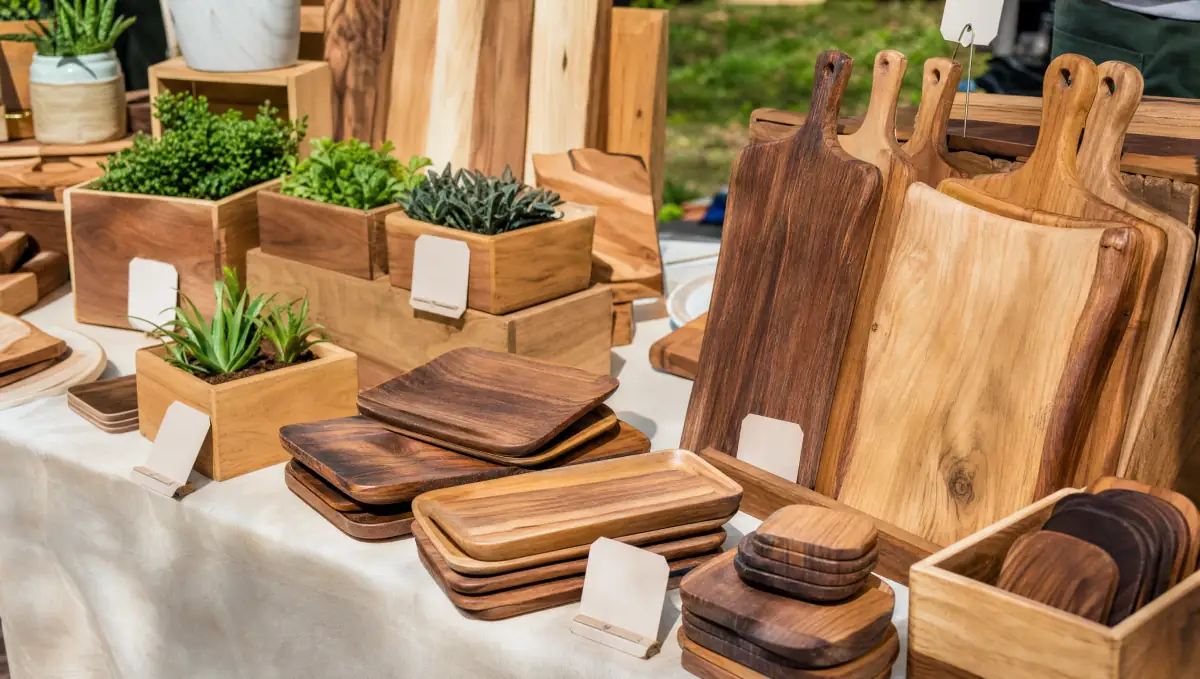
Woodworking projects that sell tend to be small, useful, giftable and quick to repeat. Cutting boards, serving trays, coasters, planters and simple shelves show up again and again at craft fairs and in Etsy search results because buyers understand them instantly, they fit a gift budget, and a maker can build several in one session. Large furniture can sell too, but it ties up more lumber, shop time and transport, and it usually needs local buyers who can pick it up.
If you are still learning, start with the beginner projects guide first. Selling a piece adds pressure: buyers expect clean edges, even finish and consistent sizes.
21 woodworking projects that sell, with approximate costs
The table lists rough material cost per piece (lumber, glue, finish and hardware, not tools), a realistic build time per piece once you are set up, and the range of asking prices we observed on Etsy listings and craft market posts. Asking prices are not the same as sold prices; one eBay comparison we saw showed sold prices well below typical asking prices for a similar board.
| # | Project | Material cost | Build time | Skill | Observed listing prices | Notes |
|---|---|---|---|---|---|---|
| 1 | One-piece cutting board | $8-$25 | 1-2 hrs | Easy | $30-$60 | Maple, walnut or cherry; very common, so presentation matters |
| 2 | Edge-grain striped cutting board | $20-$50 | 3-5 hrs | Moderate | $50-$160 | Needs flat, square stock and good glue-ups |
| 3 | End-grain cutting board | $30-$80 | 5-8 hrs | Advanced | $95-$250+ | Labor-heavy; planer sniping and tear-out are risks |
| 4 | Charcuterie or serving board with handle | $10-$30 | 1-3 hrs | Easy | $30-$80 | Strong holiday and wedding gift item |
| 5 | Serving or ottoman tray with handles | $15-$40 | 2-4 hrs | Easy-moderate | $40-$130 | Walnut and painted versions both appear |
| 6 | Coaster set (4-6) | $3-$12 | 1-2 hrs per set | Easy | $15-$50 | Good use of offcuts; low ticket impulse buy |
| 7 | Planter box | $10-$35 | 2-3 hrs | Easy | $35-$90 | Cedar resists rot; spring sells better than winter |
| 8 | Floating shelf | $10-$30 | 1-3 hrs | Easy | $30-$90 | Hidden bracket hardware adds cost |
| 9 | Wall key and mail holder | $5-$15 | 1-2 hrs | Easy | $25-$50 | Pair with hooks; easy to batch |
| 10 | Phone or tablet stand | $3-$10 | 0.5-1 hr | Easy | $15-$40 | Small, ships cheaply |
| 11 | Wine or bottle rack | $10-$30 | 2-4 hrs | Easy-moderate | $35-$100 | Wall-mount styles are popular |
| 12 | Birdhouse or bird feeder | $5-$15 | 1-3 hrs | Easy | $20-$60 | Use untreated, unpainted interiors |
| 13 | Bat house | $10-$25 | 2-3 hrs | Easy | $35-$80 | Buyers often look for specific interior dimensions |
| 14 | Picture frame | $5-$20 | 1-3 hrs | Easy-moderate | $25-$80 | Clean miters are the selling point |
| 15 | Keepsake or jewelry box | $15-$45 | 4-8 hrs | Moderate | $50-$150 | Hinges and lid fit take time |
| 16 | Wooden toys and puzzles | $3-$15 | 1-3 hrs | Easy-moderate | $20-$60 | Children's products have extra safety rules (see below) |
| 17 | Kitchen utensils and spoons | $2-$8 | 1-3 hrs | Moderate | $12-$40 | Carving skill matters more than tools |
| 18 | Step stool | $15-$35 | 2-4 hrs | Easy-moderate | $45-$120 | Must be sturdy; test with real weight |
| 19 | Pet bowl stand or feeder | $10-$30 | 2-3 hrs | Easy | $35-$90 | Sell sized for specific bowls |
| 20 | Entryway shoe rack or bench | $30-$80 | 4-8 hrs | Moderate | $90-$250 | Bulky to ship; best for local sale |
| 21 | Adirondack chair | $50-$120 | 6-12 hrs | Moderate | $150-$400 | Local pickup; prices swing with lumber costs |
Ranges are broad on purpose. Wood species alone can double the material cost, and personalization such as laser engraving often appears at higher prices but needs extra equipment.
Picking what to sell
The best product is one your local buyers already want and that you can make well and repeatedly. Before building inventory, check three things:
- Local demand. Walk a few craft fairs and farmers markets. Note what other woodworkers bring, what is priced where, and what is gone by mid-afternoon. A market full of cutting boards may reward you more for planters or toys.
- Seasonality. Holiday markets from late October through December are the busiest stretch for gift items like boards, coasters, ornaments and boxes. Planters, birdhouses and outdoor furniture tend to move in spring and early summer. Plan your build schedule a month or two ahead of each season.
- Repeatability. If a piece takes you a full day every time, it is hard to price for buyers. Choose items where jigs, templates and stop blocks can cut your time on the second, third and tenth copy.
Some plan collections allow selling what you build from their plans; check the license terms of any plan you use. For example, the Ted's Woodworking sales page states that buyers can sell the projects they build. See our Ted's Woodworking review for what that package includes, or compare it with free sources in Ted's Woodworking vs free plans.
How to price handmade wood items
A simple, common method is to add materials, your time and overhead, then compare the result with what similar items actually sell for nearby. A basic formula:
Price = materials + (hours x hourly rate) + overhead share + selling fees
Here is a worked example using made-up round numbers for an edge-grain board. These numbers illustrate the method only; they are not a prediction of what you will earn.
| Line item | Example figure |
|---|---|
| Lumber, glue, mineral oil and wax | $25 |
| Labor: 3 hours at a $20 hourly rate you choose | $60 |
| Overhead share (sandpaper, blades, electricity, packaging), about 10% of materials plus labor | $8.50 |
| Subtotal | $93.50 |
| Allowance for selling fees, about 10-15% if selling online | about $10-$14 |
| Calculated price | about $104-$108 |
If the calculated price lands far above what similar boards sell for in your area, the answer is usually to cut build time, use a cheaper species, or pick a different product, not to work for less than your materials. Track actual hours with a timer for your first few batches; most people underestimate sanding and finishing time.
Where to sell, and the fees to expect
Each channel has different costs. Fee figures below are general and change often, so confirm them on each platform before pricing.
| Channel | Typical costs | Good for | Watch out for |
|---|---|---|---|
| Craft fairs and holiday markets | Booth fee, often tens to a few hundred dollars per event; card-reader fee per swipe | Gift items, boards, coasters, toys | Weather, slow days, tent and display costs |
| Etsy | Per third-party guides in 2026: $0.20 listing fee, 6.5% transaction fee on the total including shipping, about 3% + $0.25 payment processing in the US, plus Offsite Ads fees on ad-driven sales | Shippable, personalized items | Shipping costs, photo quality, heavy competition |
| Facebook Marketplace and local groups | No fee for local pickup and cash; shipped orders carry a selling fee | Bulky pieces: benches, chairs, shoe racks | No-shows, haggling, meeting safely |
| Local shops and consignment | Consignment commissions commonly run a sizable share of the sale price; wholesale means selling at a lower price per piece | Steady volume of a few proven items | Slow payment, unsold returns |
Many makers combine channels: craft fairs to learn what people pick up, then Etsy or local shops for the items that proved themselves.
Batching tips that save time
- Build in runs of 5-20. Mill all the stock at once, then cut, then sand, then finish. Changing setups is where time disappears.
- Use stop blocks and templates. A stop block on a miter saw gives identical lengths; a hardboard template plus a flush-trim router bit gives identical board shapes and handle cutouts.
- Sand in stages across the whole batch. Do every piece at 80 grit, then every piece at 120, and so on.
- Turn offcuts into products. Cutting board scraps become coasters, spoon blanks and phone stands.
- Set up a finishing station. Drying racks and a dedicated corner keep dust off wet finish. A tidy layout helps; see our small woodworking shop setup guide.
Safety and food-safe finishes for cutting boards
Anything that touches food needs extra care. Use closed-grain hardwoods such as hard maple, walnut and cherry for cutting boards. Open-grain woods like red oak can trap moisture and food, and some exotic species cause skin or respiratory reactions, so research any species before you sell it for kitchen use.
- Common food-contact finishes: food-grade mineral oil, a mineral oil and beeswax blend ("board butter"), or pure tung oil that has fully cured. Many makers include care instructions telling buyers to re-oil periodically.
- Avoid: film finishes on cutting surfaces, since knives cut through them, and any product whose label does not say it is suitable for food contact once cured.
- Glue: for edge-glued boards, makers commonly use a water-resistant wood glue rated for indirect food contact; check the manufacturer's label.
- Shop safety: production runs mean more repetitive cuts, which is when attention slips. Wear eye and hearing protection, use push sticks, keep guards in place and control fine dust with collection and a respirator.
- Children's products: toys for young children fall under federal consumer product safety rules in the US, including testing and labeling requirements. Check CPSC guidance before you sell toys.
Legal basics: sales tax, permits and records
Rules vary by state, county and city, so check locally before your first sale. In general:
- Sales tax. Most states require a sales tax permit if you sell taxable goods in person, including at craft fairs. Marketplaces such as Etsy collect and remit sales tax for orders in many states, but in-person sales are usually your responsibility.
- Business license. Some cities and counties require a general business license or a home occupation permit, even for small side sales.
- Income tax. Selling items for profit is generally reportable income. Keep receipts for lumber, finishes, booth fees and platform fees, and talk to a tax professional about your situation.
- Liability. Some craft fairs require vendor liability insurance. Furniture, step stools and toys carry more risk than coasters.
Where to find plans for products
Free plans from sources such as Ana White, Instructables and tool makers cover many items in the table. Paid collections bundle more designs in one place. According to the vendor, Ted's Woodworking includes a "How to Start a Woodworking Business" bonus guide along with its plan library; we have not evaluated that guide's content, and it is not a substitute for checking your local rules.
Whichever plans you use, start small: build a batch of one or two products, sell at one event or list a few items online, track your real hours and costs, and decide from your own numbers whether to continue. No plan, product or channel guarantees sales.
Frequently asked questions
What woodworking projects sell best?
Small, useful gift items appear most often in listings and at craft fairs: cutting boards, charcuterie boards, serving trays, coaster sets, planters, floating shelves, birdhouses and keepsake boxes. What sells best in your area depends on local demand and season, so check nearby markets before building inventory.
How should I price handmade woodworking projects?
A common method is materials plus your hours times an hourly rate, plus a share of overhead, plus selling fees. Then compare the result with what similar items actually sell for nearby, and adjust the product or process if the numbers do not work.
Can you make money selling woodworking projects?
Some makers do and many do not. Income is not guaranteed: materials, booth and platform fees, shipping, unsold inventory and your own time all eat into revenue. Start with a small batch and track real costs before investing more.
What finish is food safe for cutting boards?
Food-grade mineral oil, a mineral oil and beeswax blend, or fully cured pure tung oil are common choices for cutting boards. Avoid film finishes on cutting surfaces and any product not labeled suitable for food contact once cured.
Do I need a permit to sell woodworking at craft fairs?
Often yes. Many states require a sales tax permit for in-person sales, and some cities or counties require a business license. Rules vary by location, so check with your state revenue department and local government.
Reviews mentioned in this guide
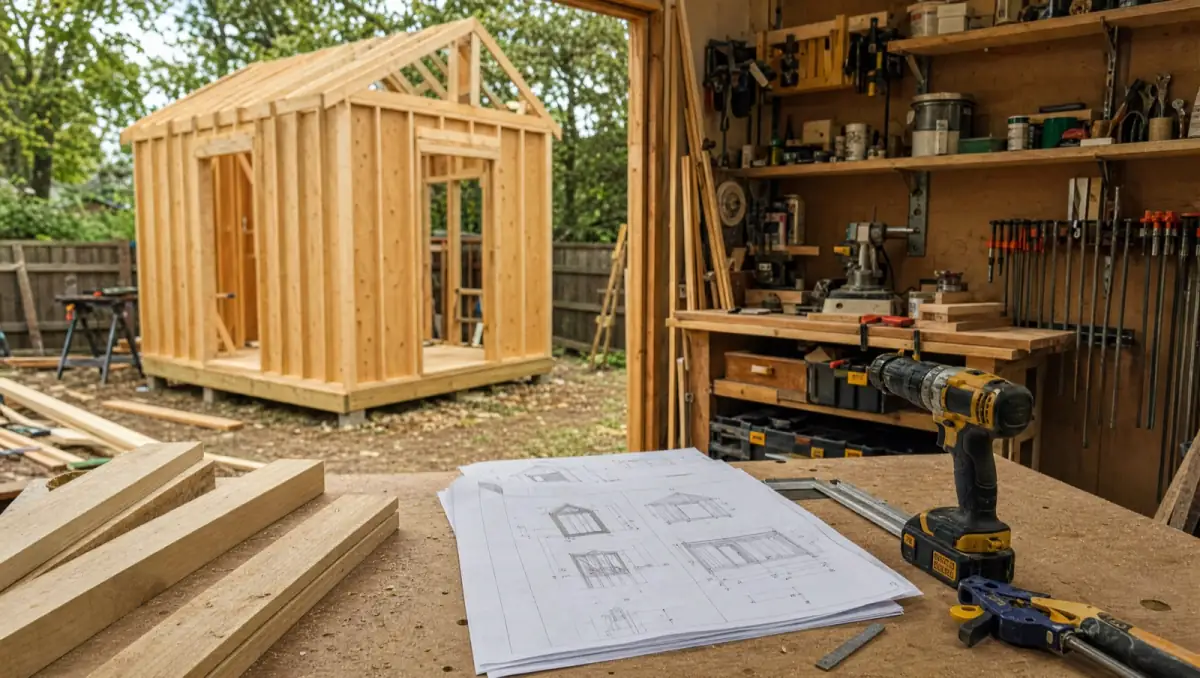
Ted's Woodworking
A cheap, very broad plan library worth trying only if you will check the plans critically within the 60-day refund window.
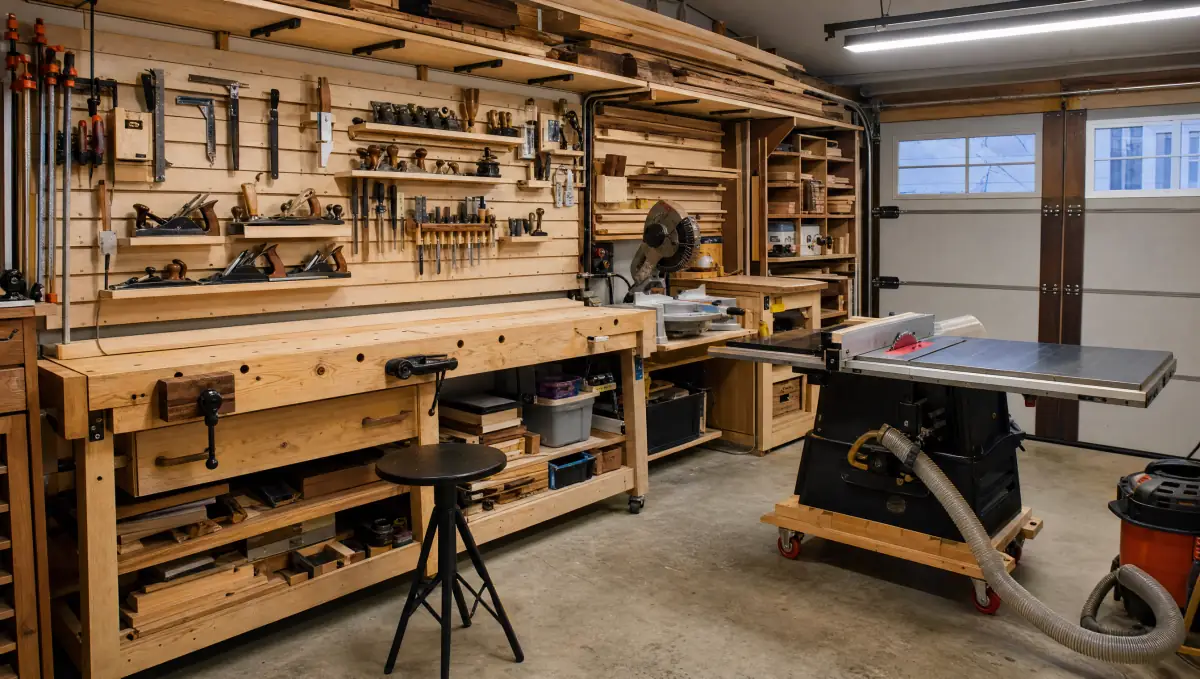
Ultimate Small Shop
A low-cost, narrowly focused shop-planning guide that suits beginners with a small space, backed by a 60-day refund but little independent buyer feedback.